
Videos have become our primary source of learning, marketing, and entertainment, more than ever. And this trend will continue in the future, too, considering the large volume of content being added to online video platforms each day. Especially when 71% of viewers say they watch more video than they did a year ago.
Which is the most popular platform when it comes to online video streaming sites?
Undoubtedly, YouTube.
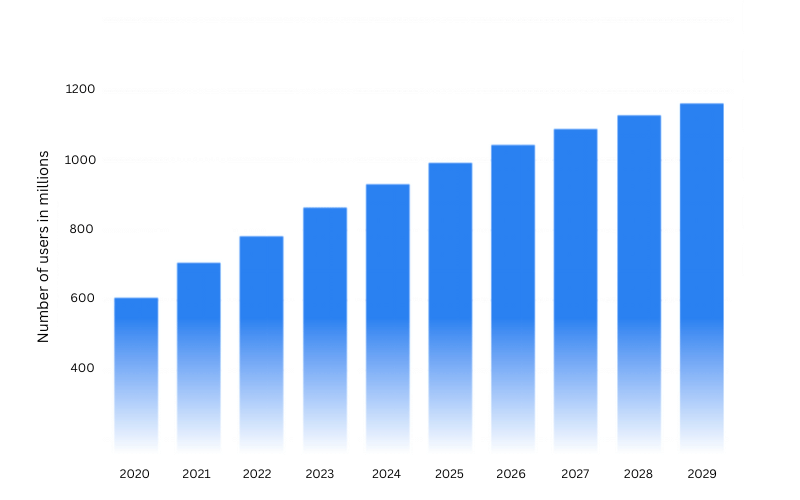
Since its launch in 2004, YouTube has been one of the best video sharing platforms in the world. It has over 2.4 billion active users. This video sharing platform is the second most popular video site after Google.
And what is the reason why YouTube is still growing its global audience base?
The first reason will be the ease of use. It is so user-friendly that anyone, even with little technical knowledge, can upload, share, view, and comment on the videos.
The next reason is that you need only minimal video equipment to use this online video platform. You don’t have to spend too much money or time to post videos on YouTube.
Also, YouTube is mobile-friendly. And 75% of all video plays are on mobile devices, which in turn increases the popularity of this video platform. The pandemic situation also played a role in this.
However, as the number of users increased, there is also an increase in complaints too. Also, some users are looking to explore other video sites similar to YouTube for different reasons and even create a Video Streaming platform like YouTube.
One of the main issues raised is that YouTube keeps revising its guidelines with no prior indication. Another problem is with the ads. Nowadays, it’s like YouTube ads have gotten out of control in both length and content.
So, today unhappy users are looking for video sites other than YouTube.
TABLE OF CONTENT
Best 12 Online Video Platforms Like YouTube (Youtube Alternatives) to Look for
There are a lot of features you might want to learn about other websites like YouTube. Here is a list of 12 top video platforms like YouTube that offer free video hosting with some quality content. We hope you find this list helpful.
1. Vimeo
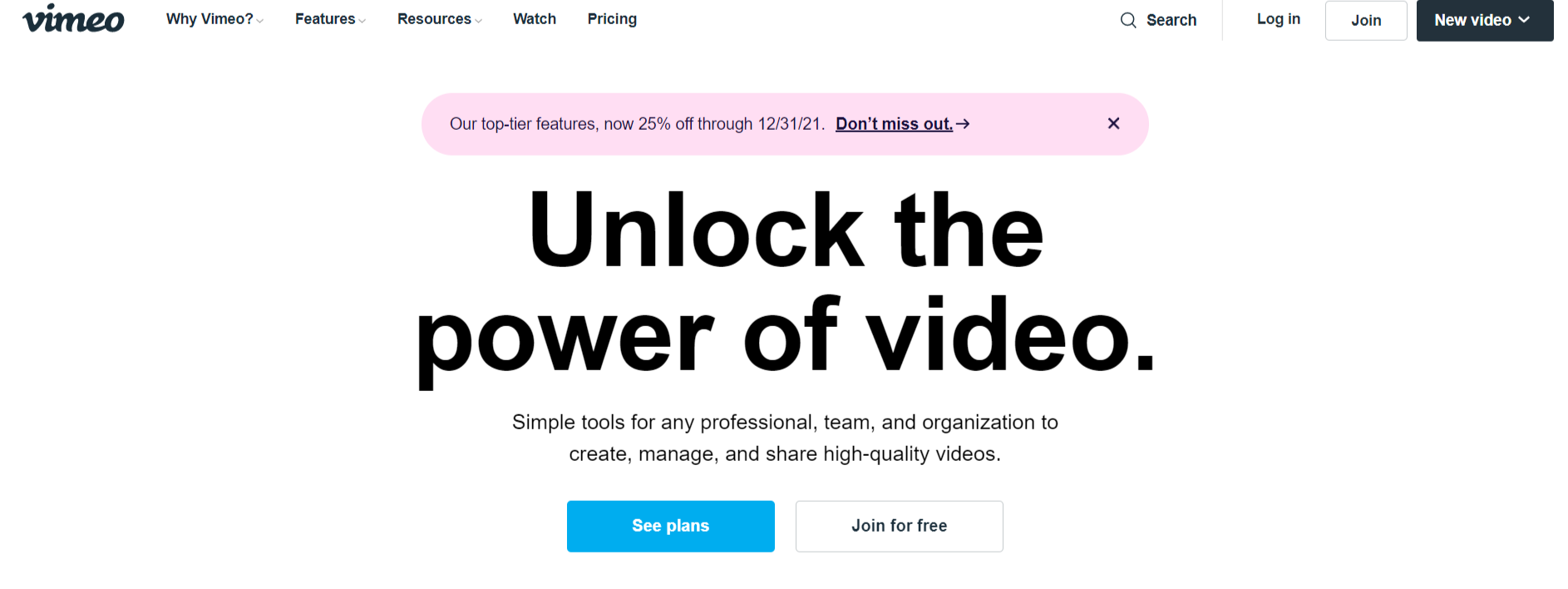
Vimeo is one of the most famous video sites other than YouTube right now. Streaming videos for a vast user base with over 175 million users worldwide, Vimeo is in action in 150 countries.
It is one of the preferred websites when comparing YouTube vs Vimeo and provides a safe interface for users. Users can upload, host, and customize videos. The platform offers various features such as password-protect videos, bulk changes to embed settings, domain and geo-restrictions. This is one of the best YouTube alternative sites and has a video upload limit of 500 MB.
The ad-free streaming providence of Vimeo has been its most appreciable feature. Since its launch, it is known to have balanced privacy and security settings.
Vimeo offers solutions to professionals, media houses and businesses. You can choose various options which are available from Plus to Enterprise range plan and avail 7TB of data storage depending on the nature of your usage.
Best For: Brands, filmmakers, agencies, and marketing teams that need a clean, ad-free player with strong customization
Pros:
- Ad-free, distraction-free player with full branding control
- Password protection, domain locking, and privacy controls
- Excellent video quality — supports 4K and HDR
- Strong integrations with CRM and marketing automation tools
- Review and collaboration tools built in (ideal for agencies and teams)
Cons:
- Requires a paid plan for serious business use
- No organic discovery — Vimeo is a hosting tool, not a reach tool
- Storage limits apply at every tier
- Does not offer DRM-level content protection (suitable for brand content, not for piracy-sensitive premium content)
- Smaller community and no algorithm-driven recommendation engine
Pricing: Starter ~$20/month, Standard ~$33/month, Advanced ~$108/month. Free tier available with 5GB storage.
2. Dailymotion
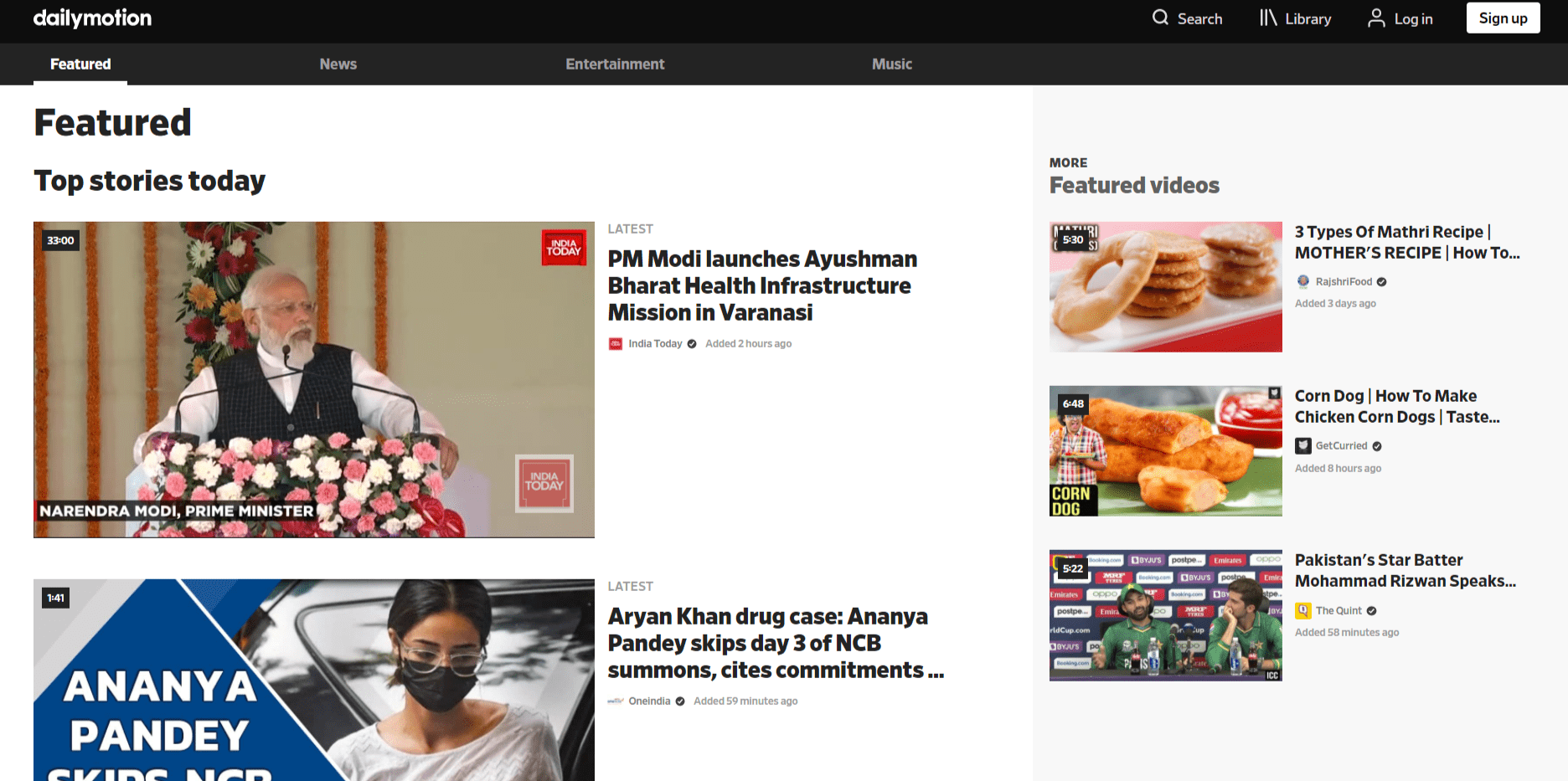
Launched in 2005, Dailymotion is an entertaining and second-largest video streaming platform in the world. As of recent data, this video platform has around 300 million unique monthly users.
Dailymotion limits daily video upload to 2 hours with a maximum of 96 video upload allowances for a day.
The layout and the navigation panel of the Dailymotion site are very similar to YouTube which makes it one of the best streaming video websites like YouTube.
Dailymotion provides similar features compared to other video websites like YouTube where users can watch and upload videos. It offers an age-gate feature that protects children from sensitive content.
When it comes to privacy it provides Public, Private, and Password Protected videos.
A video uploaded on daily motion by your favorite artist cannot be directly downloaded however, a simple browser extension can do the same. This is one of the most popular video platforms like YouTube.
Pros:
- 300M monthly users with strong international reach
- Supports videos up to 2 hours — suits long-form educational content
- Familiar YouTube-like interface requires no learning curve
- Age-gate feature enables adult-appropriate content
- Monetization through ad revenue sharing
Cons:
- Significantly smaller audience than YouTube
- Privacy and content controls are less robust than dedicated business platforms
- Analytics dashboard is basic
- Declining relevance in North American markets
- Limited creator tools and community features
Pricing: Free to upload and monetize. Ad revenue share available for eligible creators.
Explore More ✅
VdoCipher helps 2500+ Video Platform In 120+ Countries to host their videos securely, helping them to boost their video revenues.
3. Flickr
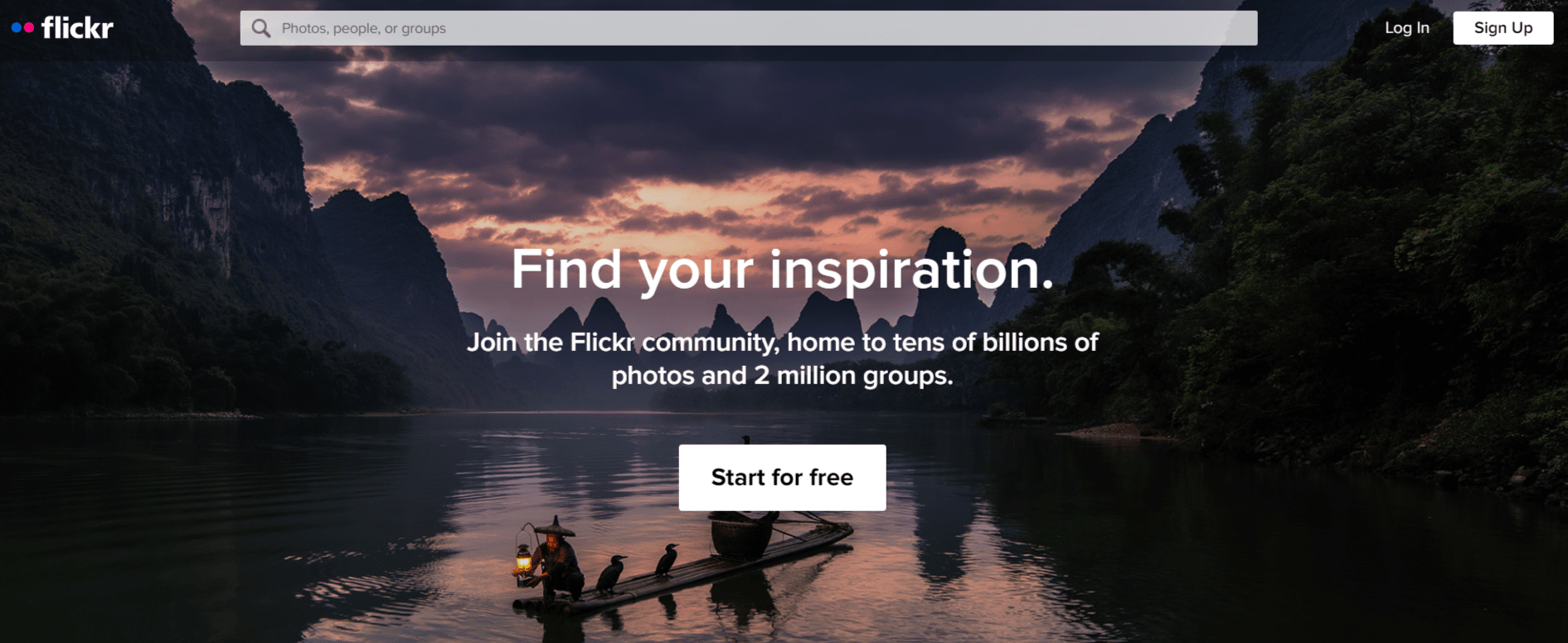
Want to share videos and images both? Flickr is for you!
Flickr has been in action since 2004. As per a report it has over 60 million monthly users. This YouTube alternative site is a free platform for video and image sharing. The users can stream a million videos on it without any cost.
It limits uploading a video to 1GB with a maximum 90 minutes tile slot. Also, Flickr provides authority to creators to customize download access to their Flickr fans.
With Flickr Pro subscription you can avail Unlimited Storage, experience Ad-Free Browsing and Advanced Stats of photos/videos.
Flickr is still struggling to get real exposure in the market due to Instagram has been its major hurdle.
4. Utreon
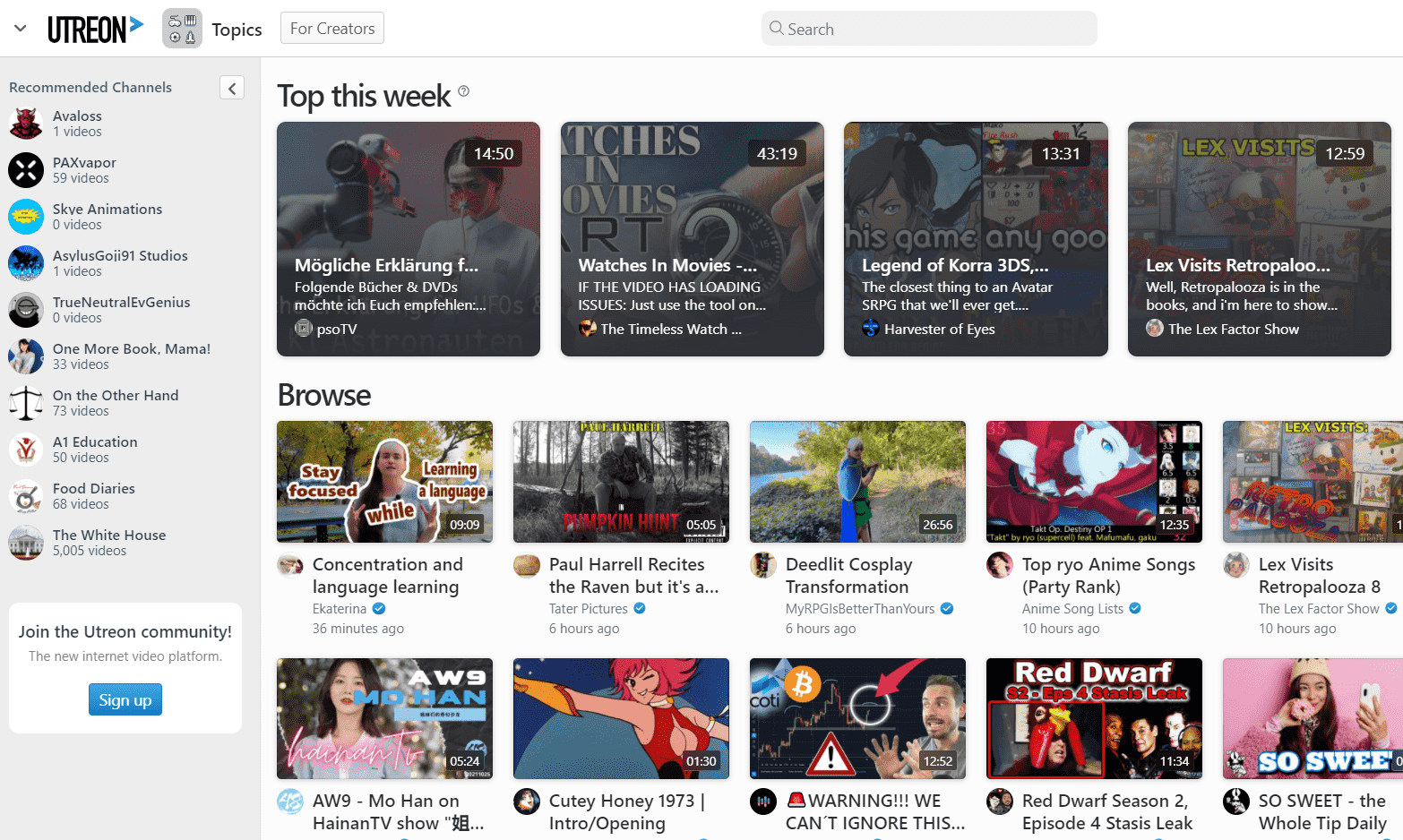
Ultron is another online video platform like YouTube. This also allows users to follow their favorite influencers with a subscription system. It was founded in 2009.
What makes them appealing is the fact that there are no hidden algorithms to promote or limit the channels and videos. Especially at a time when the creators are questioning the unfair demonetization by YouTube.
Just like any popular video platform, Utreon also allows you to create your own innovative videos. From normal blogs to multi-episode series.
5. Rumble — Best for Creator Monetization & Content Freedom
Best For: Creators who want ad revenue sharing, content freedom, and an alternative to YouTube’s policies
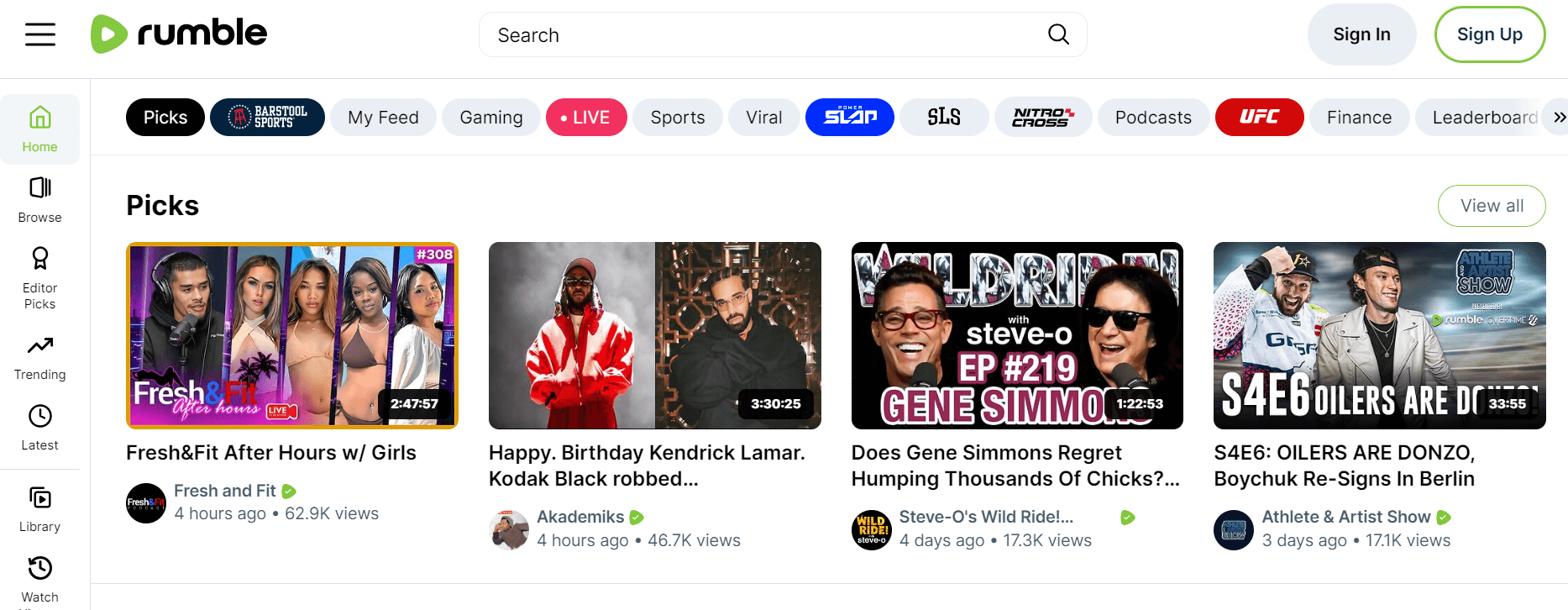
Rumble was founded in 2013 and has grown rapidly as a YouTube alternative for creators who have faced demonetization or content restrictions on mainstream platforms. The platform offers ad revenue sharing from day one, unlike YouTube, which requires 1,000 subscribers and 4,000 watch hours before monetization eligibility.
Rumble allows creators to upload videos in full and monetize through ads, licensing deals, and exclusive content partnerships. The platform has a large and growing audience, particularly in North America, and an interface deliberately similar to YouTube to ease the transition.
Pros:
- Monetization available from first upload — no subscriber threshold
- Ad revenue sharing plus licensing opportunities
- Content policies are significantly less restrictive than YouTube’s
- Familiar YouTube-like interface reduces learning curve
- Growing audience with strong engagement
Cons:
- Smaller overall audience than YouTube (still growing)
- Audience skews toward specific political and ideological content
- Discovery algorithm is less sophisticated than YouTube or TikTok
- Analytics dashboard is basic compared to YouTube Studio
- Less suitable for brand-safe advertiser-sensitive content
Pricing: Free to upload and monetize. Revenue share varies by deal type (ad revenue, licensing, exclusive).
6. DTube
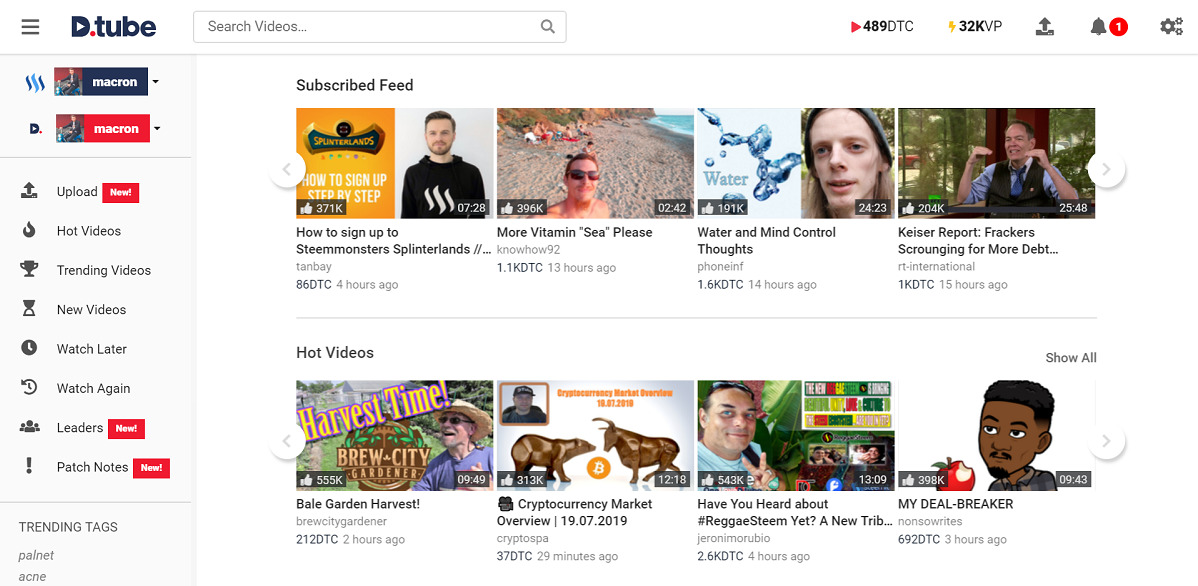
Decentralized tube, in short Dtube is a video sharing and streaming platform powered by communities. It has been active since 2016.
Users can vote for videos they like and the creators can get rewards in the form of cryptocurrency. A win-win situation for all.
Its ad-free user experience gives it an upper hand against competitors.
Unlike other video streaming platforms, D-tube never counts views and instead counts votes on videos. It also doesn’t allow users to delete videos once uploaded due to voting features incorporated.
It is a relatively small player compared to video sites like YouTube, it has a bunch of online content creators trying to innovate new approaches.
DTube can be an alternative platform to YouTube.
Pros:
- Immutable content storage — nothing can be deleted
- Crypto rewards for both creators and engaged viewers
- Completely ad-free viewing experience
- No centralized censorship or content removal
- Community-controlled content curation
Cons:
- Very small audience — limited discovery potential
- Cryptocurrency earnings are volatile and unpredictable
- Interface and UX are less polished than mainstream platforms
- Requires crypto wallet setup — high friction for new users
- Not suitable for brand content or mainstream business use
Pricing: Free. Earn crypto (DTC tokens) through community upvotes.
7. PeerTube
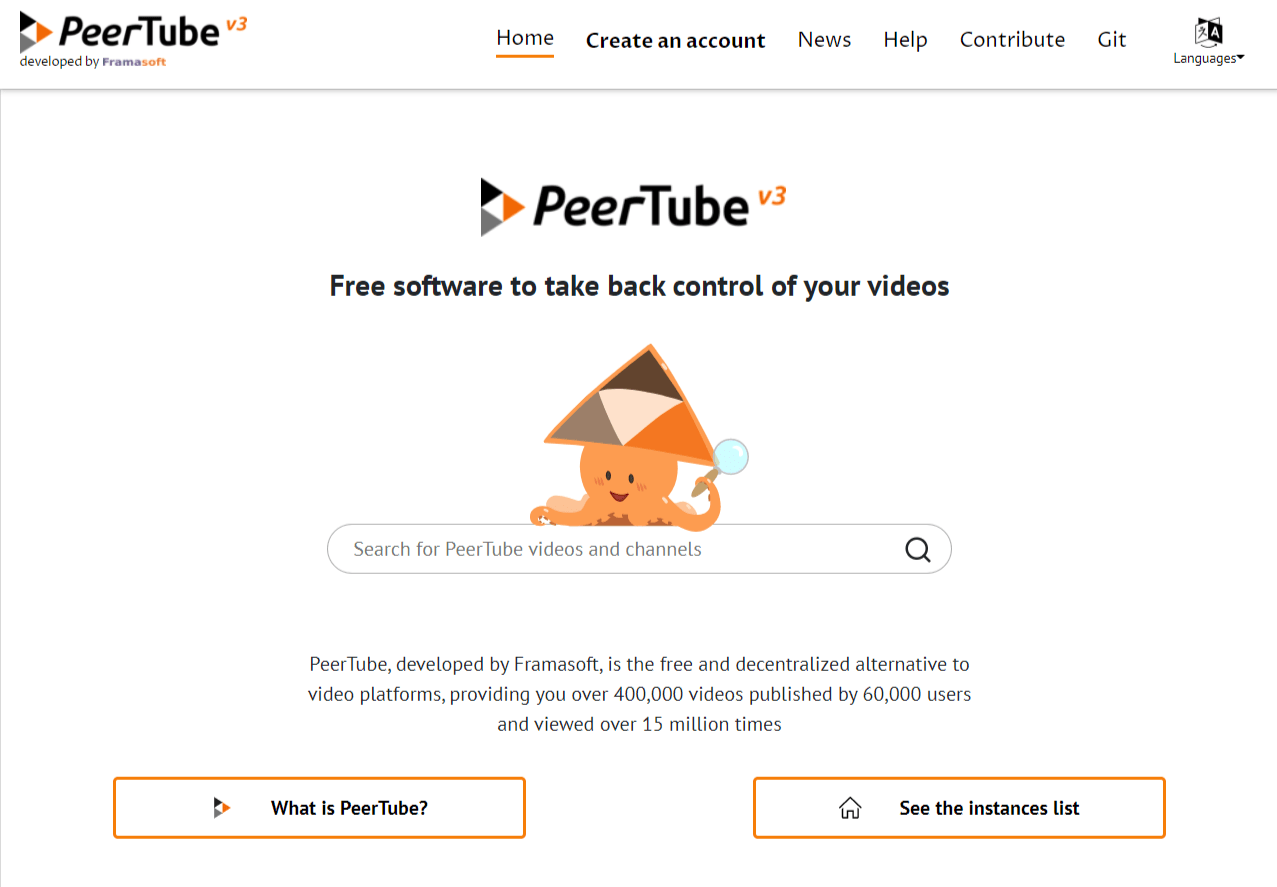
Available in 28 languages, Peer Tube was actively launched in Jan 2021. It is powered by Activity Pub and Web Torrent.
This online video platform like YouTube works as an open-source and free platform with peer to peer model.
Its framework peer-to-peer model reduces the load on servers and provides a seamless video streaming experience to users.
PeerTube like its competitors is still establishing its identity in the video-sharing platform’s array.
The platform comes with an ad-free experience and doesn’t track your activities which is an added advantage compared to other video sites like YouTube. It allows you to connect with other viewers who are watching the same video.
Pros:
- Complete ownership — no corporation can delete your content
- Free and open-source — no platform fees
- Federated network means content is discoverable across instances
- P2P delivery reduces hosting bandwidth costs
- No algorithm, no ads, no tracking by default
Cons:
- Requires technical knowledge to self-host
- No built-in monetization
- Audience is small compared to mainstream platforms
- Discovery is limited outside the Fediverse
- Maintenance and server costs fall on the instance operator
Pricing: Free and open-source. Server hosting costs vary depending on your provider.
8. Veoh
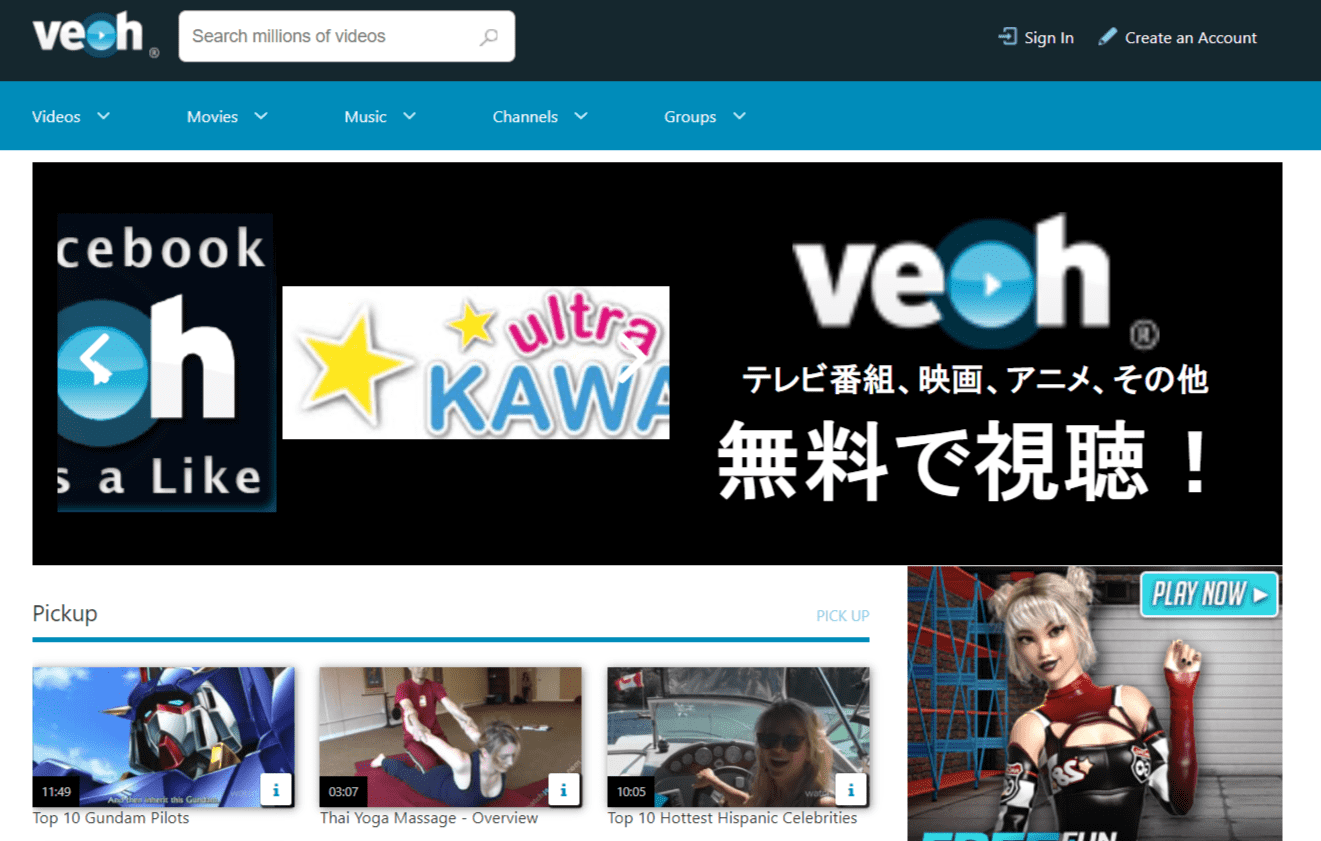
Veoh is an online video platform founded in California. It was developed by Dmitry Shapiro and launched in 2004. It provides video streaming customization for its users.
It streams unique studio content and content from independent video production houses. It can also supply user-generated videos to customers on the platform.
This platform gives an option to upload videos of any length which is rare to find in any other YouTube alternatives sites.
Recently, when people talked about Veoh, the only thing recurrent was an excess ad-surge on the platform. But, if they work on this problem it can become one of the best online video platforms like YouTube.
9. Twitch
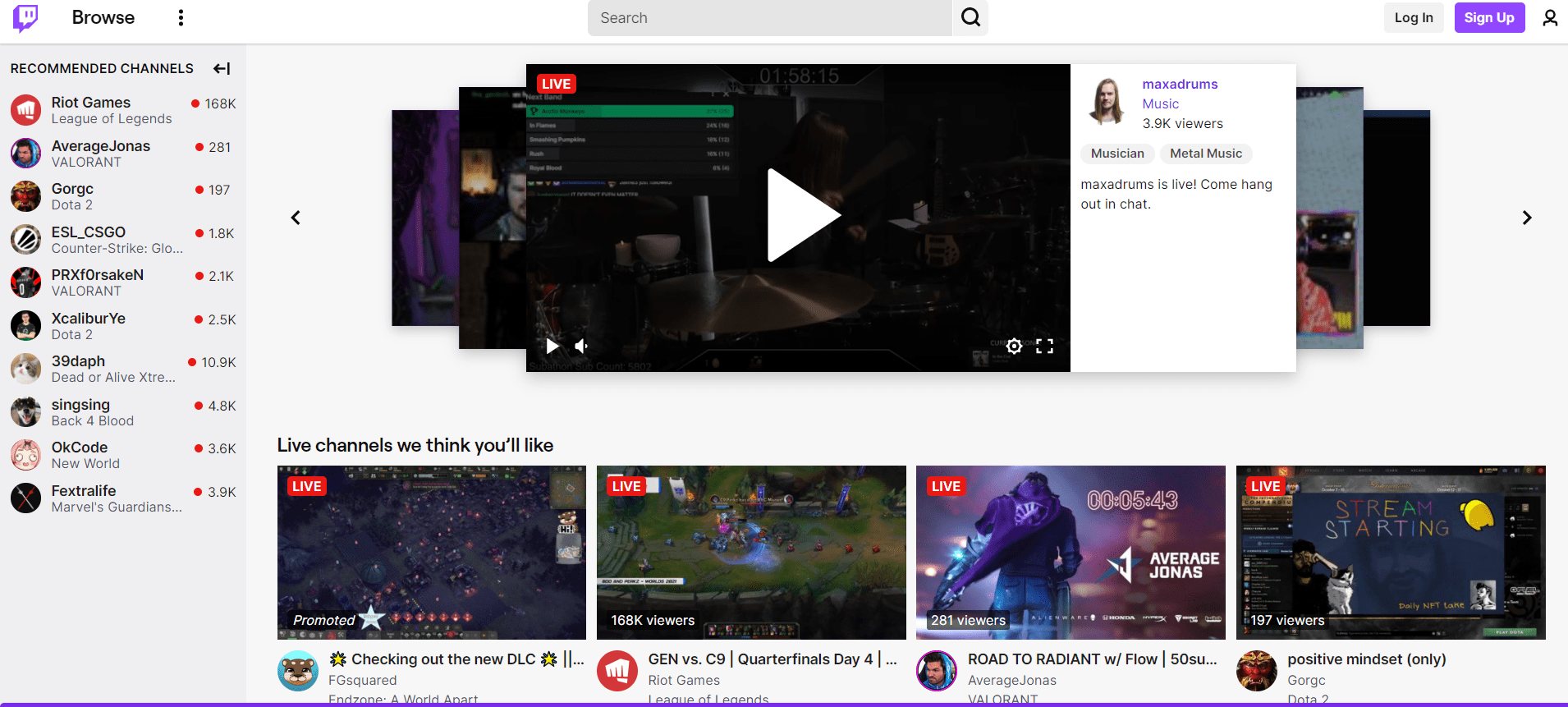
A subsidiary unit of Amazon Inc., Twitch is an American live video streaming platform founded in 2011. This online video platform is predominantly for gamers.
It is operated by twitch interactive and has achieved popularity for its live-streaming feature used majorly by gamers.
Twitch offers an easy and interactive interface to live streamers and is the largest live streaming platform. An integration of chatting, interacting, and sharing content while live streaming has made Twitch one of its kind in the market.
Twitch platform recommends more popular streamers with a high amount of viewers and doesn’t let you edit photos and your thumbnails. This is one of the rare online video platforms having a user age limit to be at least 13 years.
Pros:
- Largest live streaming audience in the world
- Highly interactive chat and community features
- Multiple monetization channels (subs, bits, ads, sponsorships)
- Strong discoverability for gaming and niche live content
- 60-day VOD storage for replays
Cons:
- Standard subscription split is 50/50 — significantly worse than KICK’s 95/5
- Discoverability is low for new streamers in saturated categories
- Strict and sometimes inconsistent content moderation
- Primarily live-only — not suited for pre-recorded content strategy
- Growing competition from KICK pulling top creators
Pricing: Free to stream. Affiliate program from 50 followers + 500 total minutes broadcast. Partner program is invite-only.
10. Crackle
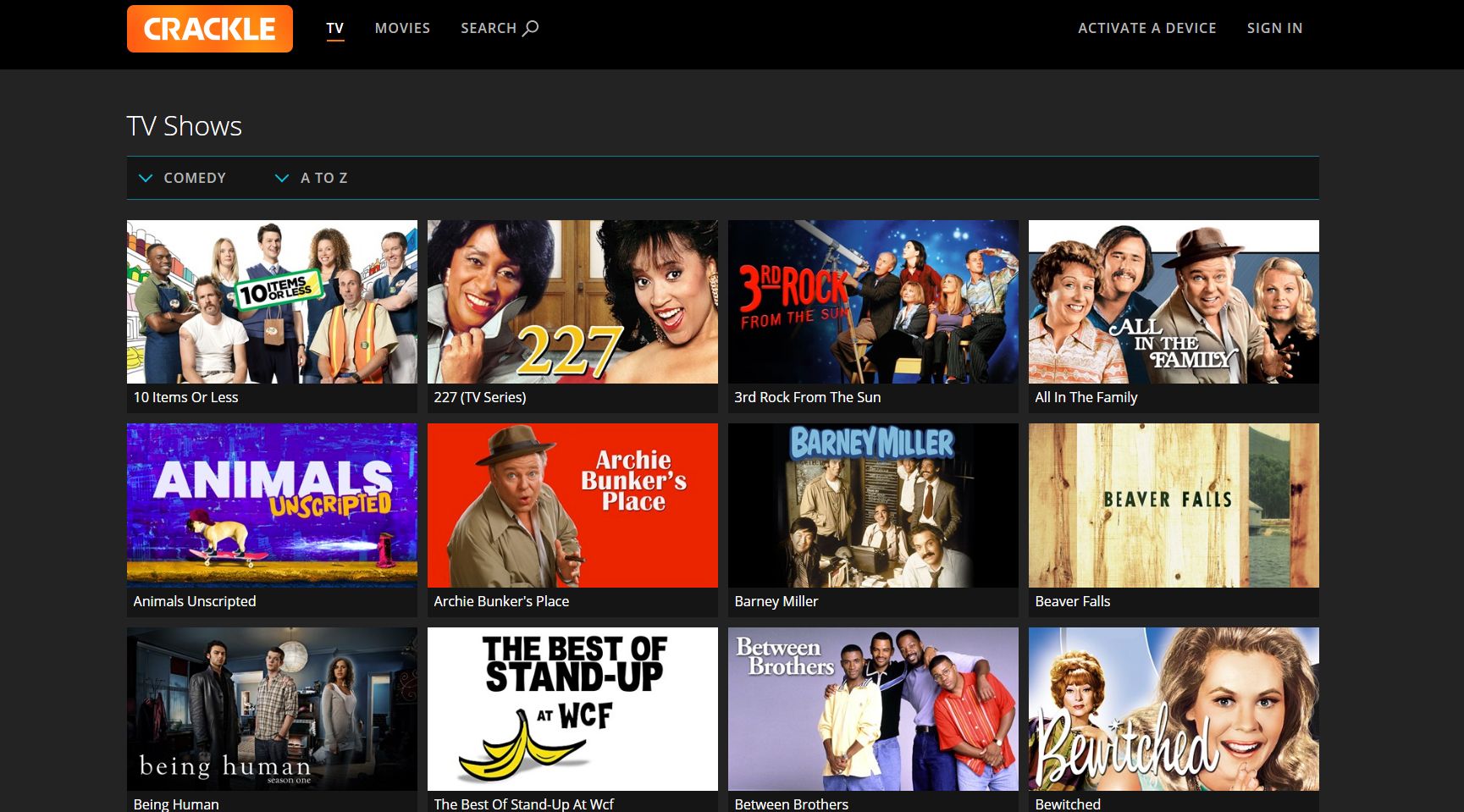
Crackle is OTT; an over-the-top video streaming service providing hundreds of shows and videos available to users. It was launched in 2004 and is currently owned by Chicken Soup for the Soul Entertainment.
It is 100% free and works on an ad-based model, making it an online video platform like YouTube.
With vast choices available as unique content in form of movies, shows, it is entertaining users in 21 countries across the globe. Crackle is a mobile, tablet, smart TVs, desktop, and laptop-friendly software.
With such great content, the unavailability of HD videos sets back its user base a little.
This platform offers a combination of popular movies, TV series and original content. You can sign up for a free account with Crackle to explore more features like parental controls, captions and watch later options.
[Read more about Closed Captions vs Subtitles ]
11. Odysee – Best for Independent Creators Who Want Control
Best For: Independent creators, journalists, and educators who want censorship resistance and crypto-based monetization
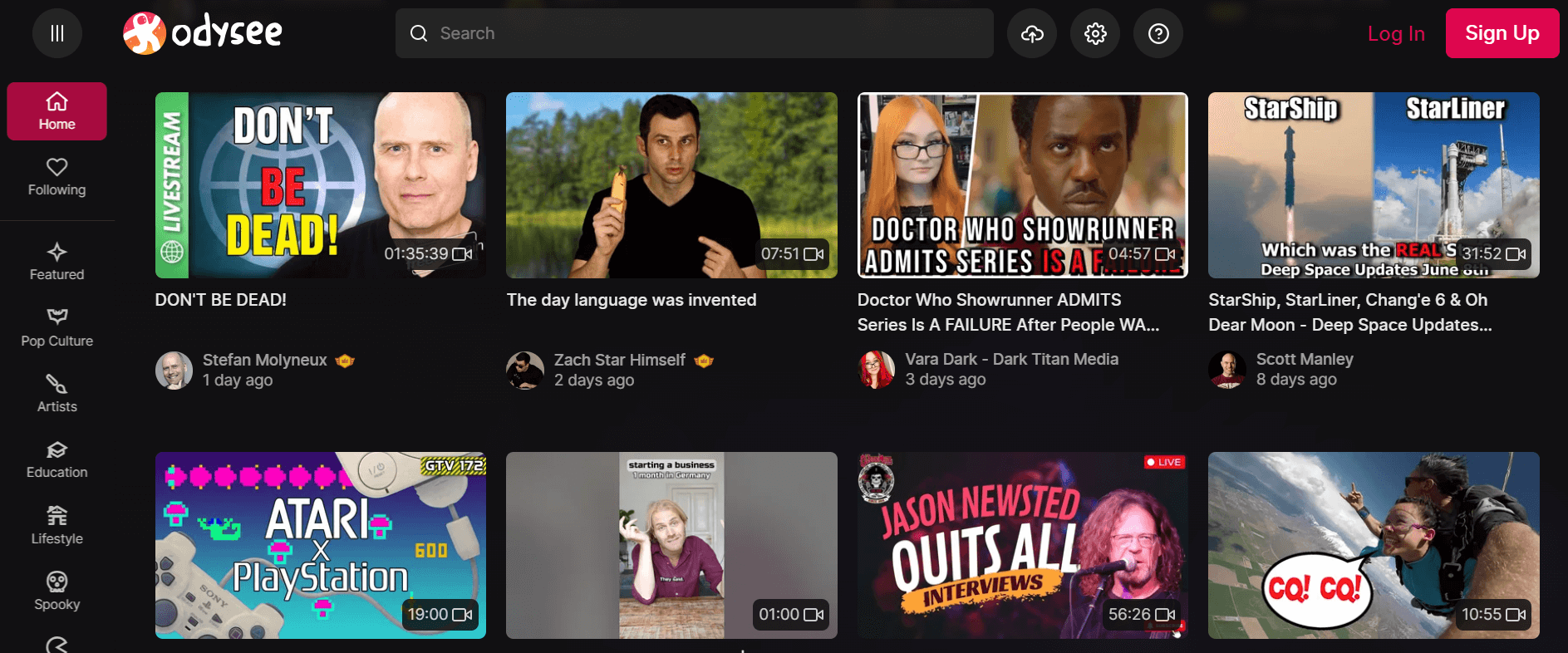
Odysee is built on the LBRY blockchain protocol, giving creators true ownership of their content and channels. Unlike YouTube, Odysee cannot remove or suppress content based on corporate policy. Creators earn LBRY Credits (LBC) cryptocurrency for views and interactions, and can monetize through tipping, paid memberships, and content rentals.
Odysee has become the primary destination for creators who have been de-platformed or fear de-platforming elsewhere. It offers a desktop-quality interface, channel syncing from YouTube (auto-upload), and strong privacy controls.
Pros:
- True content ownership via blockchain — no platform can delete your content
- Crypto-based earnings (LBRY Credits) on top of standard monetization
- YouTube channel sync — auto-mirror your YouTube uploads to Odysee
- No centralized censorship or algorithm suppression
- Strong privacy controls and no mandatory account linking
Cons:
- Smaller audience than mainstream platforms
- Crypto monetization is volatile and complex
- Discovery is limited — growth is harder without cross-promotion
- Interface and mobile app are less polished than YouTube
- Associated with controversial content due to permissive policies
Pricing: Free. Earn LBRY Credits through views, tips, and subscriptions.
12. Bitchute
Creators first; that’s Bitchute’s mantra.
Bitchute is a YouTube alternatives site that helps you easily browse channels and videos. Bitchute is a video-sharing platform that operates using peer-to-peer technology
Launched in 2017, it acknowledges video and content creators first and gives them a platform to express and frame their ideas freely.
The registration is optional and does not limit users to obligatory registration before streaming videos and content; thereby providing a secure ecosystem to browse.
It does not use an ad-based model and provides creators a facility to accept payments from users on the platform itself.
Recently, when covid was happening, Bitchute was in the headlines for the effect of spreading misinformation. But they managed to recover later, and thus were able to avoid the criticism. We hope this article has helped you to explore sites similar to YouTube.
13. TikTok — Best for Short-Form Viral Reach
Best For: Creators who make short-form content and want maximum organic discoverability
TikTok has fundamentally changed how video content is discovered. Its “For You Page” algorithm surfaces content from any creator, regardless of follower count, making it one of the only platforms where a brand-new account can go viral overnight. With over 1.5 billion monthly active users, TikTok is now YouTube’s largest direct competitor for audience time.
TikTok is built for videos under 10 minutes, with strong native editing tools, trending audio, and a mobile-first experience optimized for vertical video. The platform has expanded monetization significantly in recent years, offering the Creator Rewards Program, live gifts, Series (paid content), and brand partnership tools.
Pros:
- Unmatched organic discovery — new accounts can reach millions with no following
- Powerful built-in editing tools and trending audio library
- Multiple monetization streams: Creator Rewards, live gifts, paid Series, brand deals
- Massive and highly engaged younger audience
- Strong short-form SEO — TikTok is increasingly used as a search engine
Cons:
- Limited to short-form content (under 10 minutes optimally)
- Revenue per view is inconsistent — significantly lower than YouTube AdSense
- Content moderation is aggressive and sometimes opaque
- Privacy and data concerns (ByteDance ownership)
- Difficult to build off-platform audience ownership
Pricing: Free for creators. TikTok Shop and Series features have no upfront cost; TikTok takes a platform fee on transactions.
14. Nebula — Best for Educational and Long-Form Creators
Best For: Educators, documentary creators, and thought-leaders producing high-quality long-form content
Nebula is a subscription-based, creator-owned streaming platform co-founded by a group of prominent educational YouTube creators including CGP Grey, Wendover Productions, and Tom Scott. It is positioned as a home for content that would be demonetized or algorithmically buried on YouTube — deep dives, essays, documentaries, and extended content.
Creators earn a share of subscription revenue rather than ad revenue, creating a more stable and predictable income stream. Nebula has partnered with CuriosityStream, and many creators release Nebula-exclusive content before uploading to YouTube.
Pros:
- Stable subscription-based revenue — no ad fluctuations
- Creator-owned platform — decisions made with creator interests in mind
- Completely ad-free experience for viewers
- Ideal for long-form, thoughtful content that performs poorly on YouTube
- Exclusive content model builds subscriber loyalty
Cons:
- Viewers must pay a subscription (~$5/month) — limits reach
- Not suitable for viral or discovery-based growth
- Requires an invitation or existing audience to join as a creator
- Smaller audience pool than free platforms
- Less suited for entertainment, gaming, or short-form content
Pricing: Viewers pay ~$5/month. Creators receive a share of subscription revenue proportional to watch time.
15. KICK — Best for Live Streamers Seeking Maximum Revenue
Best For: Live streamers who want the industry’s best revenue split and a fast-growing gaming/entertainment audience
KICK launched in 2022 and immediately disrupted the live streaming market with a 95/5 revenue split on subscriptions — compared to Twitch’s 50/50 standard split. Backed by prominent streamers and investors, KICK has grown rapidly by signing exclusive deals with top creators from Twitch.
The platform prioritizes live content including gaming, IRL streams, music, and talk shows. Its content policies are more permissive than Twitch’s, making it popular with creators who have faced bans or restrictions elsewhere.
Pros:
- 95/5 subscription revenue split — by far the best in the industry
- Fast-growing audience with strong engagement from day one
- More permissive content policies than Twitch or YouTube
- Strong co-streaming tools and clip features
- Backed by high-profile creators who bring their audiences
Cons:
- Younger platform — smaller overall audience than Twitch or YouTube
- Live-only focus — not suitable for pre-recorded content
- Less developed discovery and recommendation algorithm
- Brand safety concerns for advertisers due to permissive policies
- Mobile app is still maturing
Pricing: Free to stream. 95% of subscription revenue goes to the creator.
Why Hosting Your Videos On YouTube Might Not Be Good For Your Business!
If you are someone who deals with video content, chances are that you’ve uploaded videos on YouTube and embedded them on your website. This might be an easier and cheaper way to host your videos but it might not always be the best.
YouTube works great when you want to increase your reach on the platform and grow your audience. But as a business with an already established target audience, it might not be great for you. Especially if you are dealing with premium content. The best place to host videos is on your own website. You can rely on a video hosting service to take care of all the video infrastructure. It’ll take care of the seamless delivery of your content along with safeguarding your content.
These are some of the benefits you’d get from choosing an online video platform.
Video Protection:
If your website has premium content, chances are that your videos can be downloaded and pirated illegally by users. In order to ensure that your content is not being downloaded, you’d need a service that protects your videos.
Video hosting platforms like VdoCipher use DRM Technology which ensures that your content cant is downloaded thus helping to ensure that you don’t lose revenue due to piracy. With YouTube, you don’t get such security plus your content can be easily downloaded using tools easily. With online video platforms, you can restrict videos to a certain domain so that these videos only play on these websites only. You can even password protect your videos and ensure that your videos are protected form screen recording as well. In case the user somehow screen records your videos, you’ll have an option of dynamic watermarking which is a text overlay on videos containing user details, which makes it easy to identify the source of any download and leaks, ultimately discouraging any sort of screen recording.
Technical Support:
YouTube doesn’t have any dedicated support. So in case anything goes down you need to rely on the documentation or through their support community. With a video hosting platform, you’d get access to dedicated 24*7 support to help you through the setup process and with any other issues you may get while playback of your videos.
Customization Options:
With YouTube, you won’t get the option to customize the video player according to your own brand, plus at the end of videos, your user might get suggestions to watch other videos, causing other distractions and making your users go away from your platform.
With a video platform, you’d get a video platform that you can customize according to your own branding and you can change the controls according to your own requirements.
So all in all, if you are someone looking to host your videos, it s best to go for an online video platform to build your own video website like YouTube.
Key Factors to Consider in a YouTube Alternatives
Before you jump into uploading videos on a new platform, it’s crucial to understand what makes a good YouTube alternative. Depending on whether you’re a creator, teacher, or brand, your priorities—like monetization, privacy, or branding—will differ.
Here’s a breakdown of the key factors to evaluate before choosing the right platform:
1. Hosting & Bandwidth Limits
Not all video platforms offer unlimited storage or streaming bandwidth like YouTube.
Many Youtube alternatives—especially professional and enterprise platforms—charge based on storage size, number of video views, or bandwidth consumed.
If you run a course website or OTT service, ensure your platform can scale as your content library and audience grow.
Look for:
-
Clear pricing on storage and bandwidth usage
-
Fast global CDNs for smooth playback
-
Adaptive bitrate streaming for all devices and internet speeds
Platforms like VdoCipher offer scalable bandwidth plans with robust CDN delivery optimized for global playback.
2. Monetization Options (Subscriptions, Pay-per-View, Ads, etc.)
Monetization flexibility is one of the biggest reasons creators move away from YouTube.
While YouTube relies heavily on ad revenue sharing, alternatives often give you full control over how you earn.
Common monetization models include:
-
Subscription-based: Offer monthly or yearly access to your video library.
-
Pay-per-view: Let users pay to watch individual videos or events.
-
Course sales or memberships: Ideal for e-learning and premium content creators.
-
Affiliate integrations or direct sponsorships: Useful for independent creators and brands.
3. Privacy & DRM Security (Critical for Education and OTT)
If you’re sharing paid content—like courses, training videos, or OTT shows—security should be non-negotiable.
Unlike YouTube (which is public-first), premium video platforms offer DRM encryption, dynamic watermarking, and access control to prevent piracy, downloads, and screen recording.
Key features to look for:
-
Google Widevine, Apple FairPlay DRM support
-
AES-128 encryption for all streams
-
Dynamic watermarking to identify leakers
-
Domain, geo, and device restrictions to control access
VdoCipher leads in this category with studio-grade DRM protection similar to Netflix.
4. Branding Customization
YouTube limits how much you can control your player or page design.
In contrast, Youtube alternatives let you build a fully branded video experience—essential for businesses and educators who want their videos to feel like part of their own platform.
Look for:
-
Custom player colors, logos, and thumbnails
-
Branded landing pages or video portals
-
White-label options (no third-party branding)
-
Embed codes to integrate seamlessly with your website or app
This helps your videos look professional and reinforce your brand identity.
5. Analytics & Engagement Tools
Without insights, you can’t grow.
YouTube provides strong analytics—but they’re tied to the platform’s ecosystem, not yours.
Professional video platforms offer detailed, privacy-compliant analytics showing:
-
View time per user or session
-
Drop-off rates and engagement heatmaps
-
Device and region data
-
Conversion tracking (for paid content)
Advanced platforms like Wistia or VdoCipher even integrate with Google Analytics and CRMs to link video engagement with customer journeys.
6. Live Streaming Capability
If live interaction is part of your content strategy—like webinar streaming, product launches, or live classes—ensure your platform supports low-latency live streaming with features like:
-
DVR rewind and replay
-
Private streaming with DRM encryption
-
Chat, polls, and Q&A integration
-
Multi-device playback (mobile, web, TV apps)
ZenStream (by VdoCipher) is a strong option for secure, large-scale live streams with audience interactivity and replay recording.
Which is Your Favourite Online Video Platform Like YouTube?
YouTube is still the number one online video platform when it comes to popularity. But, due to some of the recent issues like overuse of ads and complaints on content, users are looking for an alternative.
If you are looking for an alternative platform, you can try out all the 12 video sites similar to YouTube mentioned here. We agree that they cannot completely replace YouTube. But, these online video platforms are on par with YouTube, when it comes to quality, content, and ease of use. Thus making it worth a try.
Which of the above is your favorite? Did we miss any other alternative video sites like YouTube on this list? Mention it in the comments. We’ve recently published a blog on the history of YouTube, do check it out to know more about how the platform rose to its current status.
Why Do You Need An Online Video Platform Like YouTube?
Here’s why you need an online video platform like YouTube:
- Engaging Content Delivery: Video allows for dynamic and interactive presentations, capturing attention and catering to visual learners, enhancing comprehension and retention.
- Global Reach: A dedicated platform ensures content is accessible worldwide, enabling creators to tap into diverse audiences and promote cross-cultural exchange.
- Interactive Features: Platforms equipped with features like comments, likes, and playlists promote active learning, community engagement, and allow for curated educational paths.
- Flexibility & Customization: Custom branding, playlists, and interactive elements (e.g., quizzes) can be integrated, providing a unique user experience tailored to the content provider’s needs.
- Monetization Opportunities: Through ads, premium content, or subscriptions, content creators can generate revenue, supporting the creation of high-quality material.
- Analytics: In-depth viewer statistics help in understanding audience behavior, refining content strategies, and ensuring that content meets its intended educational or entertainment objectives.
- Integration Capabilities: Modern platforms often support integration with other tools or systems, like Learning Management Systems (LMS) for eLearning providers or Content Management Systems (CMS) for media outlets.
- Content Protection: Advanced platforms offer rights management, preventing unauthorized redistribution and ensuring creators maintain control over their content.
In conclusion, for eLearning and media platforms aiming to deliver high-quality, engaging, and interactive content to a global audience, a robust video hosting platform is not just beneficial—it’s essential.
How Does an Online Video Platform Work?
Online businesses need more than just video security—they require a robust, all-in-one solution. VdoCipher delivers precisely that with a comprehensive video hosting platform that meets all essential business requirements. Here’s a look at the 6-step process behind VdoCipher’s Video Hosting, DRM-based Encryption, and Streaming that makes us stand out from the competition:
- Upload
Registered users can easily upload video content using various methods, including desktop uploads, FTP, Dropbox, direct server uploads, or even by URL. VdoCipher supports all common video formats, giving users flexibility in how they add content. - Transcoding for Protected Streaming
At VdoCipher, every video undergoes DRM encryption along with transcoding at multiple bitrates. This optimization ensures smooth streaming across different network qualities, allowing viewers to enjoy videos without buffering, regardless of their internet speed. - Secure Storage of Encrypted Content
Encrypted videos are securely stored on Amazon’s AWS S3 servers using our proprietary server-side encryption technology. This dual-layer protection guarantees maximum security and peace of mind. - DRM Encrypted Video Transfer
When streaming to viewers, VdoCipher uses advanced encryption protocols to ensure secure delivery. The encrypted content is streamed in small chunks via one-time generated URLs, with a concealed key exchange mechanism. This approach prevents direct access to the video file, enhancing security. - Licensing & Authentication
Each video stream is protected with one-time dynamic URLs that can only be accessed through custom embedded codes. These URLs have limited validity, ensuring that shared links are ineffective and that content remains secure. - Decryption & Playback
Finally, the encrypted content is decrypted inside the player using a dynamic key transfer protocol, unique to VdoCipher. Unlike traditional public key systems, our private key transfer method ensures that hackers can’t decrypt the streams, making our encryption virtually unbreakable.
VdoCipher: A Secure YouTube Alternative for Video Hosting
When it comes to video hosting, security is often overlooked on platforms like YouTube. VdoCipher offers a secure alternative, ensuring your valuable content is protected from unauthorized access and piracy.
Why VdoCipher?
- Enhanced Security: VdoCipher uses AES encryption and DRM (Digital Rights Management) to prevent unauthorized downloads and screen recording, making it ideal for premium content like online courses and business materials.
- Content Control: Unlike YouTube, VdoCipher allows you to control content distribution by restricting access to specific domains, regions, and setting content expiration dates.
- Ad-Free Experience: With VdoCipher, your videos are free from ads, providing a distraction-free and professional viewing experience.
- App Integration: VdoCipher offers various video player SDKs for secure video playback within your apps.
VdoCipher Video SDKs
- Android Video SDK: Integrates secure video streaming into Android apps, supporting adaptive bitrate streaming, offline playback, and DRM protection.
- iOS Video SDK: Provides secure video playback for iOS apps, ensuring content protection across all Apple devices.
- Flutter Video SDK: Supports secure video playback in cross-platform Flutter video streaming apps, for both Android and iOS.
- React Native Video SDK: Adds secure streaming capabilities to React Native apps, complete with DRM protection.
- FairPlay Player SDK: Ensures compliance with Apple’s FairPlay DRM, adding extra security for video content on Apple devices.
VdoCipher recently launched a HD Live Streaming Solution which allows you to replay, rewind and pause your live streams with chat. Go check out VdoCipher live now!
FAQ On Video Platforms Like YouTube
1. Which are the best video platforms like YouTube with fewer restrictions?
Below are some of the best video platforms with fewer restrictions
- Dailymotion
- Vimeo
- Rumble
- Veoh
- DTube
- VdoCipher
- Flickr
- Utreon
- Peertube
- Twitch
- Crackle
- Odysee
- Bitchute
2. What are the common features of video websites?
Some of the important features of video websites are:
- Provides an option to easily stream live videos
- You can manage privacy and security with ease
- Easily browse videos by category and filter out videos
- Easily Customize your video
3. Is there a good alternative video platforms like YouTube?
Few alternate video platforms similar to YouTube include Dailymotion, Vimeo, Twitch, DTube, Rumble, Flickr, Veoh which offer users a variety of options for uploading and viewing content. You can always rely on VdoCipher as a great YouTube Alternative, Vimeo alternative and more.
4. Why should you look for YouTube Alternatives?
Few reasons to prefer other video platforms
- YouTube tracks lots of aspects of your behavior. If that is something that you can avoid you can consider using other video platforms
- There are more innovative video platforms to consider where you get engaging content and different features.
Secure Your Videos from Download & Piracy
At VdoCipher we maintain the strongest content protection for videos. We also work extremely hard to deliver the best viewer experience. We'd love to hear from you, and help boost your video streaming business.


Rahul Rana is Head of Marketing at VdoCipher Media Solutions, where he educates users about video streaming and media technologies. He writes about video streaming, live delivery, DRM, and building custom video players to help developers and teams learn practical techniques. Rahul enjoys breaking down complex media tech into clear, easy-to-understand guides and insights.